Heat Pumps and Energy Efficiency in Temperate Marine Climates
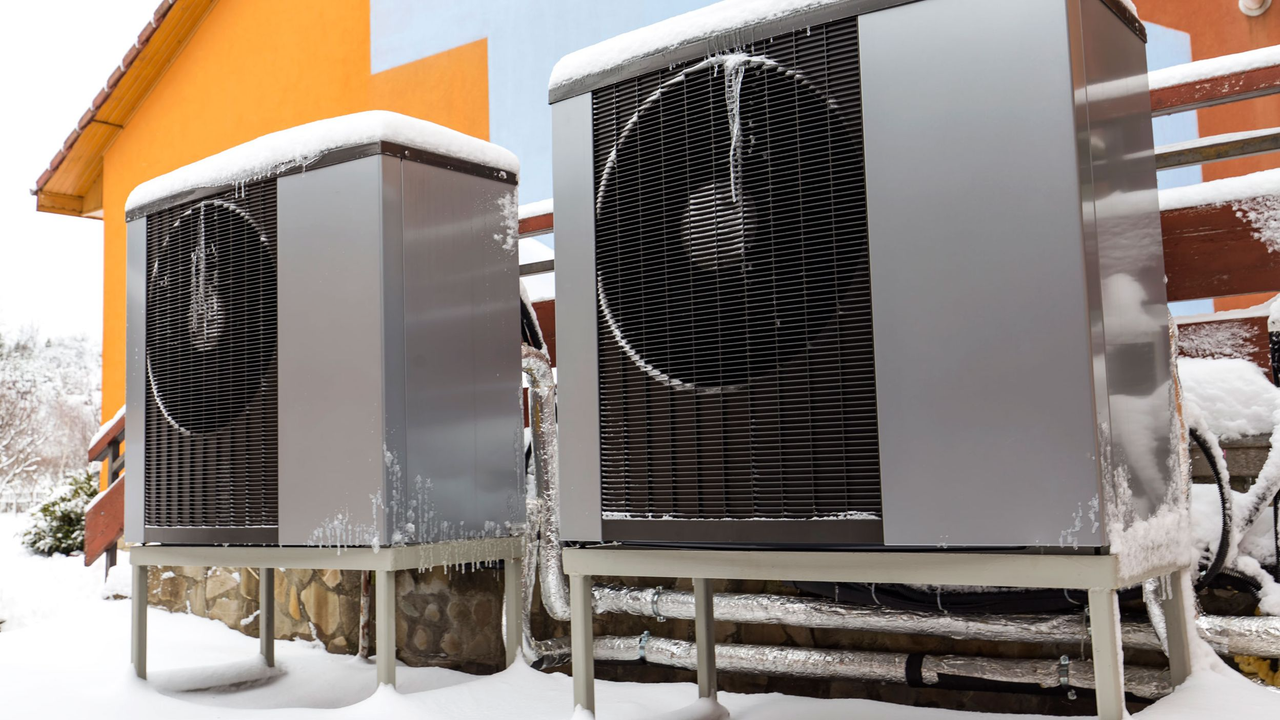
Heat pumps are having a moment and it’s not just because they’re trendy.
More cities are pushing electrification. Utilities are updating grids. Homeowners are looking at their energy bills and thinking, “There has to be a better way than burning gas or running baseboards all winter.”
In a lot of places, there is.
If you live in a temperate marine climate (think the Pacific Northwest, coastal BC, parts of Western Europe, New Zealand) heat pumps make a ton of sense. Winters are cool but not brutal. Summers are mild. Humidity is common. And those conditions are pretty much ideal for how heat pumps operate.
The reason comes down to one simple idea: heat pumps don’t “make” heat the way a furnace or baseboard does. They move it.
How Heat Pumps Work (Without the Physics Lecture)
A heat pump is basically a reversible air conditioner.
- In winter, it pulls heat from outside air and brings it indoors.
- In summer, it moves heat out of your house and dumps it outside.
Even when it feels cold out, there’s still heat energy in the air. The heat pump just gathers it and concentrates it.
That’s why heat pumps can be so efficient. They’re not converting electricity into heat like a toaster. They’re using electricity to move heat.
The U.S. Department of Energy notes that modern air-source heat pumps can deliver up to three times more heat energy than the electrical energy they consume under moderate conditions.
This is where you’ll hear terms like COP (Coefficient of Performance). A COP of 3 means you get 3 units of heat for every 1 unit of electricity you pay for. Baseboard heaters? COP is basically 1. You pay for 1, you get 1.
COP does drop as it gets colder outside because extracting heat from very cold air is harder work. But in marine climates where winter temps are often above freezing, heat pumps stay in their comfort zone most of the season.
SEER and HSPF: Helpful, But Not the Whole Story
You’ll also see ratings like:
- SEER (cooling efficiency over a season)
- HSPF (heating efficiency over a season)
These are good for comparing equipment… but they’re not a promise.
A high-SEER system can still perform poorly if:
- it’s oversized
- ductwork leaks
- airflow is weak
- installation is sloppy
Same with HSPF. A great rating won’t overcome a drafty house with poor insulation and unsealed attic leaks.
Real-world efficiency depends on the full setup. ENERGY STAR emphasizes that proper system sizing and installation quality significantly influence whether a heat pump achieves its rated efficiency in real-world conditions.
Why Temperate Marine Climates Are a Sweet Spot for Heat Pumps
1) Winters aren’t extreme
In many marine areas, winter days hang around 35°F to 50°F (2°C to 10°C). That’s a range where heat pumps operate efficiently without constantly leaning on backup heat.
Yes, there are cold snaps. But they’re usually short. So instead of spending months in “struggle mode,” the system spends most of the season running comfortably.
2) Summers are mild (but getting warmer)
Marine climates aren’t Phoenix. You’re not trying to hold back 110°F heat.
Cooling is still useful but peak loads are typically lower. That helps modern inverter-driven heat pumps because they’re built to run steadily at partial load instead of blasting full power and cycling off.
3) Humidity is a big deal
Humidity is common in coastal climates. Heat pumps dehumidify in cooling mode, which can make the home feel more comfortable even when temperatures aren’t extreme.
That matters because comfort isn’t just temperature. It’s moisture control.
Will a Heat Pump Actually Lower Your Bills?
This depends on what you’re replacing.
If you’re replacing electric resistance heat
This is where heat pumps really shine.
Baseboards and resistance systems are simple, but expensive to run. Since they’re basically COP 1, you’re paying full price for every unit of heat.
Switching to a heat pump with a seasonal COP of 2.5–3.5 can cut heating energy use significantly — often in the 30% to 60% range depending on the home.
If you’re replacing older HVAC equipment
Older systems often cycle more, run less efficiently at partial loads, and struggle to maintain steady indoor comfort.
Modern variable-speed heat pumps are smoother. They modulate. They don’t hammer on/off constantly.
But savings only show up when the install is done right — correct sizing, proper charge, sealed ducts, decent insulation.
A great heat pump installed poorly can still underperform.
The Part Most People Skip: Sizing and Design
Heat pumps are sensitive to sizing.
If the system is too big, it short-cycles — turns on, cools fast, shuts off, repeats. That’s inefficient and can leave humidity behind.
If it’s too small, it runs constantly and may rely on backup heat during colder stretches (which costs more).
That’s why load calculations matter. In the U.S., contractors often use Manual J to estimate true heating and cooling load based on:
- square footage
- insulation levels
- window quality and orientation
- air leakage
- internal heat sources
Marine climates make right-sizing even more important because the system can run efficiently at low output for long stretches — if it’s designed to do so.
In urban coastal markets such as Seattle, WA, proper load calculations and commissioning are often handled by professional HVAC services that understand the interaction between marine humidity, insulation levels, and system modulation. Design standards from the U.S. Department of Energy emphasize correct sizing and commissioning.
If the house leaks air like a sieve, no piece of equipment fixes that. Sealing and insulation can make a heat pump feel twice as effective.
Incentives Are Real, But They’re Not the Main Reason to Choose One
Rebates and incentives can help with upfront cost. Many regions now offer programs through utilities or state agencies to accelerate electrification.
That’s useful.
But rebates don’t make a heat pump efficient. Design and installation do.
If the system is commissioned properly and matched to the home, the efficiency gains show up every month — with or without incentives.
Maintenance: The Quiet Difference Between “Works” and “Works Great”
Heat pumps don’t require complicated maintenance, but they do need basic care.
- Change filters regularly
- Keep the outdoor unit clear
- Don’t ignore odd noises or weak airflow
- Get annual inspections if you want long life and stable performance
Clogged filters restrict airflow. Low refrigerant hurts efficiency. Dirty coils reduce heat transfer.
The difference between a system that lasts 10 years and one that lasts 20 often comes down to “boring” maintenance.
Limits and Tradeoffs (Because Nothing’s Perfect)
Heat pumps aren’t ideal everywhere.
If you live somewhere with long stretches below zero, you need cold-climate equipment — and even then, backup heat might play a bigger role.
Upfront cost can be higher than conventional systems. But operating cost is usually lower, especially compared to resistance heat.
Grid reliability matters too. Electrification means your home comfort is tied to power availability. In areas with unstable grids, a backup plan may be worth considering.
Final Take
Heat pumps aren’t magic. They’re just smart physics applied to the right climate.
In temperate marine regions, they line up well with local weather:
- mild winters
- moderate summers
- persistent humidity
Efficiency ratings like SEER, HSPF, and COP are helpful — but the real story is design, installation, and maintenance. When those are handled correctly, heat pumps can reduce energy use, improve comfort, and support broader electrification goals without forcing homeowners into extreme tradeoffs.
In climates where extreme temperatures are rare, moving heat instead of generating it just makes practical sense.