Peruvian lomo saltado at home with smoky stir fry flavor and perfect fries
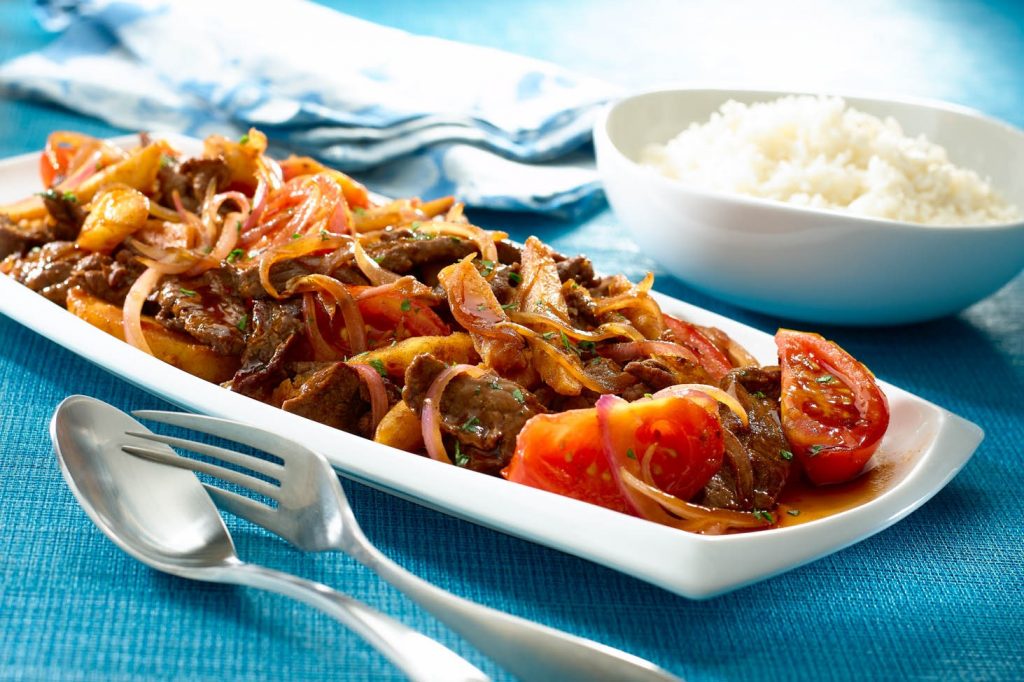
Lomo saltado is one of those dishes that feels instantly unforgettable the first time you taste it: tender beef, sweet onions, juicy tomatoes, a punchy soy vinegar sauce, and fries that soak up just enough of that savory glaze to become irresistible. It’s bold, fast, and deeply comforting, a classic example of Peruvian cooking that blends influences with total confidence. If you’ve been browsing recipes online, including on https://allrecipe.org, you’ll notice many versions, but the soul of the dish stays consistent: high heat, quick cooking, and a sauce that balances salty, tangy, and slightly sweet notes.
What makes lomo saltado special is the way it’s cooked. This is not a slow stew. It’s a quick stir fry, traditionally done in a wok or a very hot pan so the ingredients sear rather than steam. That sear gives the beef a lightly charred edge and keeps the onions crisp-tender. The tomatoes should soften but still hold their shape, releasing just enough juice to help the sauce cling. And the fries are not just a side, they’re part of the dish, a signature detail that tells you this is Peruvian comfort food, not a generic stir fry.
At the heart of the Peruvian Lomo Saltado Recipe is choosing the right beef and setting up your cooking station so everything happens quickly. If you try to cook it slowly, you’ll end up with watery vegetables and gray beef. So your first job is picking a cut that stays tender when cooked fast over high heat. Traditional choices include tenderloin, sirloin, or other quick-cooking cuts with a good balance of tenderness and flavor. Tenderloin is extremely tender but milder. Sirloin has more beefy taste. You want strips, not chunks, and you want them sliced across the grain so each bite stays soft. If the meat is very cold, it can cool your pan and reduce searing, so let it sit at room temperature briefly while you prep the other ingredients.
Next, focus on the vegetables. Lomo saltado depends on the contrast of textures. Onions should be cut into thick wedges so they keep a bite. Tomatoes should be firm enough to hold up to heat, cut into wedges as well. And if you’re using ají amarillo for a Peruvian kick, a small amount goes a long way. If you can’t find it, the dish still works, but it will taste less distinctly Peruvian. Cilantro is often used as a finishing touch because it brightens the savory base.
Now, let’s talk about fries, because this is where many home cooks either simplify too much or make them soggy. In a restaurant, fries are typically fried and then tossed into the stir fry at the end, so they catch the sauce while still holding structure. At home, you can deep fry, pan fry, bake, or air fry. The best result comes from fries that are crisp and hot right before you stir them in. If you cook them too early and let them sit, they soften, and then the sauce turns them limp. Timing matters. Many people make the fries first, keep them hot in a low oven, and then cook the stir fry quickly, combining at the end.
Sauce that tastes like Peru, not just soy
The sauce is simple but powerful. The classic flavor profile is savory from soy sauce, tangy from vinegar, and rounded with a little sweetness. That sweetness can come from the natural tomato juices and caramelized onion, but many cooks add a small pinch of sugar to smooth the edges. Garlic is important, and so is pepper. Some versions include a splash of beef stock to create more sauce, but you don’t want a soupy stir fry. You want a glossy coating that clings.
A solid home approach is to mix soy sauce with red wine vinegar, add minced garlic, a bit of black pepper, and a small amount of ají amarillo paste if you have it. If you want it more aromatic, a tiny splash of Worcestershire sauce can add depth, but keep it subtle. The goal is balance. When you taste the sauce on its own, it should feel strong, because once it hits hot beef and vegetables, it mellows. If it’s bland in the bowl, it will be bland in the pan.
Before you cook, set up everything within arm’s reach. This dish is fast. Have your beef sliced and lightly seasoned. Have onions and tomatoes prepped. Have sauce mixed. Have cilantro chopped. Have fries cooked or nearly cooked. Once the pan is hot, you don’t want to pause to chop something. Pausing drops the temperature and changes the result.
High heat cooking for that smoky stir fry finish
Heat your wok or a heavy skillet until it’s genuinely hot. High heat is not optional. Add a small amount of oil with a high smoke point. Then add the beef in a single layer. Don’t overcrowd. Overcrowding causes steaming, and steaming makes beef gray and tough. If you have a lot of beef, sear it in batches. Let it sear briefly without stirring too much, then toss. You’re aiming for browned edges, not fully cooked pieces at this stage. Remove the beef to a plate once it’s browned on the outside. This keeps it from overcooking while you handle the vegetables.
Now add onions. Stir fry them quickly so they pick up color while staying crisp. Add garlic and ají amarillo if using. Garlic burns fast, so it should spend only seconds in the hot pan before the next step. Then add tomatoes. Give them a quick toss. They should warm and soften slightly, releasing juice, but they should not collapse into sauce. Immediately pour in your sauce mixture. It should bubble and sizzle, and you should smell that sharp, savory aroma lifting off the pan.
Return the beef and any resting juices to the pan. Toss everything together for a short time, just enough for the sauce to coat and for the beef to finish cooking gently in the heat. This is where you decide your final consistency. If it looks too dry, add a small splash of stock or even water, but only a little. If it looks too wet, keep tossing on high heat so it reduces quickly. The goal is glossy, not watery.
Now comes the signature move: add the fries. Toss them in briefly so they pick up sauce but don’t lose all crispness. You’re not trying to soak them until they’re soft. You’re aiming for that perfect middle ground where the edges stay firm and the surface takes on flavor. Finish with chopped cilantro for freshness and, if you like, a small squeeze of lime. Lime isn’t traditional in every version, but it can brighten the dish without changing its identity.
Serving matters. Lomo saltado is often served with rice alongside, giving you two textures: the fries and the rice both catching sauce in different ways. The rice also calms the intensity of the sauce, making each bite feel balanced. If you want an authentic feel at home, serve it immediately, because lomo saltado is not meant to sit around. The magic is in the contrast between hot seared beef, crisp onions, warm tomatoes, and fries that are just starting to absorb sauce.
If you’re cooking for more than a couple of people, the biggest trick is batch cooking. Sear beef in batches, stir fry vegetables in the same hot pan, then combine at the end. This keeps heat high and textures sharp. Trying to cook everything at once in a crowded pan is the main reason home lomo saltado turns into a watery stew. Respect the heat, respect the speed, and you’ll get restaurant-style flavor.
Lomo saltado is the kind of dish that teaches you something valuable: great flavor doesn’t always require long cooking. When you use the right cut, keep the pan hot, and build a sauce that balances soy and vinegar with the sweetness of onions and tomatoes, you get a meal that feels bold and comforting at the same time. It’s Peruvian in spirit, fast in execution, and deeply satisfying on the plate.