Curb appeal starts in the parking lot, not at the front door
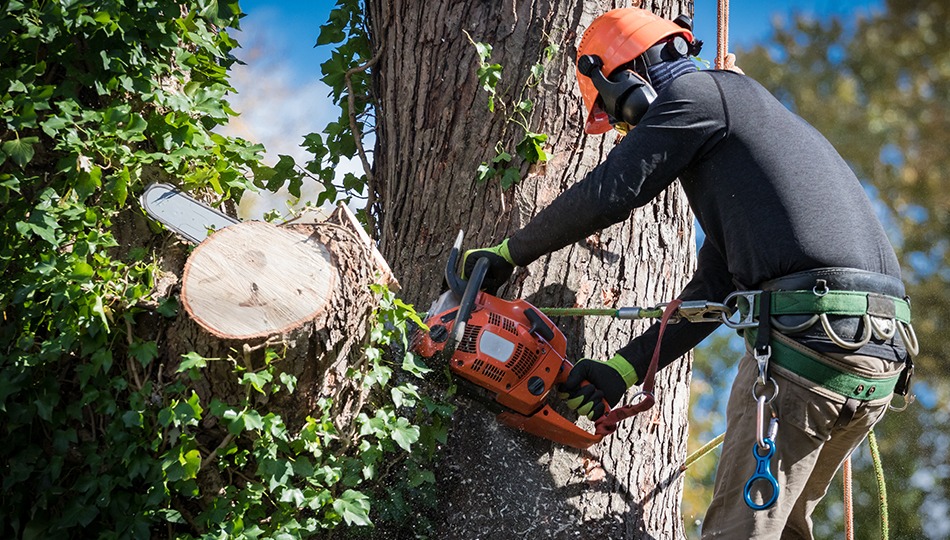
Customers decide how they feel about a property before they reach the entrance. The parking lot, the sidewalk, the sign, and the trees do most of that work. A well-maintained landscape says someone is paying attention; a neglected one says the opposite, even if the building is clean inside. For retail and office properties in Riverside and the surrounding area, commercial tree services nj is part of the first impression and part of the operating budget.
Trees shape the experience in practical ways. They shade parked cars, soften noise, frame signage, and break up large paved areas. They can also hide a sign, block lighting, drop fruit on walkways, or create sight-line problems. The right species and the right pruning make the difference between an asset and a nuisance.
Curb appeal is not only aesthetic. A property that feels cared for attracts tenants, keeps customers longer, and can support higher rents. Landscaping is the cheapest marketing a commercial property has, because it works every day without a campaign. But it only works when the trees are healthy and the maintenance is consistent.
Why trees change how customers behave
Shade changes behavior. A row of trees along a sidewalk makes a walk to the entrance more comfortable, and a shaded seating area invites people to stay. In summer, that comfort translates into time spent on site. In winter, the same trees can block light and make an entrance feel dark, which is why species and placement matter.
Safety and visibility are part of the experience. Low branches can obscure cameras, block signage, or create a hiding place near a parking area. Overgrown shrubs and trees can make a customer feel uneasy before they reach the door. A well-pruned tree is both beautiful and functional, and the two are not in conflict.
The parking lot is often the first and last impression. Trees that drop sticky sap, heavy fruit, or branches create complaints and maintenance calls. Trees with invasive roots crack pavement and create trip hazards. Choosing the right tree for the space is cheaper than fixing the wrong one for twenty years.
Signage and wayfinding depend on the canopy. A tree that hides a pylon sign or a building entrance makes the property harder to find. Pruning for visibility is a marketing decision as much as a horticultural one. Walk the site from the street and from the parking lot, and note what the trees are covering.
Designing maintenance around the experience
Maintenance should follow the customer path. The entrance, the main walkway, the sign, and the parking rows deserve the most attention. A tree that blocks a sign is a marketing problem, not just a pruning problem. A branch that scrapes a delivery truck is an operational problem. Walk the property as a customer would and note what the trees are doing.
Seasonal color is a finishing layer, not the foundation. Annuals and hanging baskets can refresh an entrance, but they will not compensate for unhealthy trees. Spend on the bones of the landscape first, then add color. The result looks intentional instead of decorated.
Seasonal displays should be planned with the maintenance budget. A holiday installation that takes a week to build and a month to remove needs storage and labor. The best displays are simple, durable, and easy to refresh. A display that looks tired in January is worse than no display at all.
Lighting and trees have to work together. A canopy that blocks parking lot lights creates dark spots; a tree that grows into a sign makes the business harder to find. Pruning for clearance is not cosmetic, it is part of safety and wayfinding. Schedule it before the busy season, not after a complaint.
Tenant retention is part of the business case. A landscape that looks cared for makes employees and customers feel that the property is managed. A tree that drops debris on cars or blocks the entrance does the opposite. The landscape is a shared space, and its condition signals how the whole property is run.
Ask customers and tenants what they notice. A short survey can reveal complaints about shade, lighting, or parking that the manager has stopped seeing. The answers may not be scientific, but they point to the areas where tree work will have the most visible impact.
Schedule the most visible work before the busy season. Pruning the entrance in spring, before the first warm weekend, has more impact than the same work in November. The landscape should look its best when customers are deciding where to spend their time and money.
Measuring the value is not always precise, but it is possible. Track complaints, occupancy, tenant feedback, and the number of emergency calls. Photographs before and after a maintenance cycle show progress that a budget line cannot. A landscape that is managed as an asset gets funded like an asset, and that is the argument that keeps the program alive.
Outdoor seating is an asset only when it is comfortable. Shade, wind protection, and cleanliness determine whether people use it. Trees can provide shade, but they can also drop debris on tables. Choose species with low litter and prune for clearance over the seating area.
Lighting and trees change how a property feels after dark. A canopy that blocks a fixture creates a dark corner; a tree that grows into a sign disappears from the road at night. Check the site after sunset before deciding where to prune.
Seasonal lighting should be installed with the tree in mind. Staples and nails damage bark, and tight cords girdle branches. Choose clips and loose wraps, and remove them after the season.
The best commercial tree care is proactive, documented, and aligned with how the property is used. It protects the investment, reduces surprises, and makes the place feel cared for. That is not a seasonal chore. It is a business decision that shows up in the experience of every customer and tenant.