Climate Change, Groundwater, and What It Means for Residential Septic Systems
When people talk about climate change and infrastructure, they usually mean big systems. Flood barriers. Stormwater networks. Wastewater treatment plants. Things you can see on a map.
What rarely comes up? The septic tank in someone’s backyard.
However, in rural and semi-rural areas, septic systems aren’t a side note. They are the wastewater infrastructure. And unlike municipal plants, they depend entirely on what’s happening in the soil beneath your feet.
As rainfall patterns shift and groundwater levels rise in many regions, especially the Pacific Northwest, septic systems are being pushed into conditions they weren’t originally designed for.
That matters more than most people realize.
How Septic Systems Are Supposed to Work
A conventional septic system is simple, but it depends on balance.
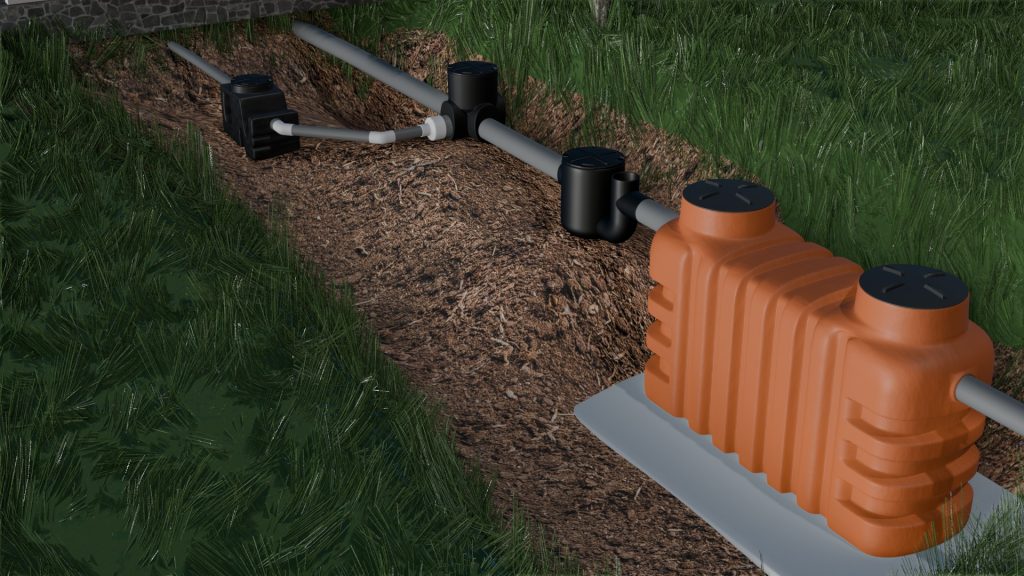
Wastewater flows into a septic tank. Solids settle. Bacteria begin breaking things down. The liquid effluent then flows into the drainfield, where it disperses into soil.
And here’s the key: the soil does a huge part of the treatment.
According to the U.S. Environmental Protection Agency (EPA), properly functioning septic systems rely on unsaturated soil to provide natural filtration and microbial treatment before effluent reaches groundwater.
It isn’t just “absorption.” Oxygen in unsaturated soil supports aerobic bacteria that continue breaking down waste. As water moves downward, soil particles filter contaminants before anything reaches groundwater.
All of that depends on one thing:
Air space in the soil.
When soil is unsaturated, everything works. Effluent moves at predictable rates. Microbes do their job. The system can last decades.
When soil becomes saturated, the rules change.
What Happens When Soil Stays Wet Too Long
In many parts of the country, rainfall is becoming more intense. Wet seasons are lasting longer. Snowmelt is happening differently. Groundwater tables are shifting.
Research from the U.S. Geological Survey (USGS) indicates that shifts in precipitation intensity and seasonal recharge patterns are influencing groundwater elevations in many regions of the United States.
When soil fills with water, the air pockets disappear. Without oxygen, aerobic treatment slows. Effluent disperses more slowly. Sometimes it stops dispersing at all.
That’s when problems begin.
Under saturated conditions, you may see:
- Slow drains inside the home
- Damp areas around the drainfield
- Surface ponding
- System backups
- Nutrients moving more easily toward groundwater
It’s not always dramatic at first. Often it builds gradually through weeks of steady rain, then another storm, then snowmelt layered on top of that. The system may technically still function, but it’s under stress.
Over time, repeated saturation can permanently reduce the soil’s ability to absorb and treat wastewater.
What Field Experience Shows
Climate models tell one story. Field technicians tell another.
In the Pacific Northwest, septic service providers consistently report more calls during extended wet periods. It’s not always catastrophic failure. It’s strain.
Field-level documentation of how prolonged rainfall affects septic performance shows a clear pattern: slow drainage, surface dampness near drainfields, and increased hydraulic stress during multi-week rain events.
Systems that were fine for years suddenly struggle after long stretches of rain. Minor issues such as slight compaction, aging components, marginal grading become bigger problems when groundwater stays high.
The takeaway isn’t that septic systems “don’t work.” It’s that they operate within environmental limits. And those limits are shifting.
Climate resilience isn’t just about catastrophic floods. It’s also about prolonged wet seasons that slowly stress infrastructure.
Flooding Changes the Equation
Seasonal saturation is one thing. Flood events are another.
When tanks or drainfields are submerged, several things can happen:
- Wastewater can backflow
- Soil around trenches can shift
- Pump systems can suffer electrical damage
- Tank lids or risers can lose structural integrity
Even after visible floodwaters recede, soil may remain saturated for days or weeks. During that time, treatment efficiency is compromised.
Post-flood field assessments of submerged septic systems illustrate how electrical components, soil structure, and effluent dispersal patterns can remain compromised long after standing water disappears.
Some systems recover fully. Others require partial rehabilitation. It depends on soil type, system age, and how long the area was inundated.
As flood events become more frequent in some regions, systems that were never designed for repeated submersion may face recurring stress.
The Bigger Planning Question
Most septic systems were designed using historical rainfall data and soil testing done at the time of installation.
But what happens when those baseline conditions change?
Design standards may need adjustment. In some areas, that could mean:
- Re-evaluating vertical separation from groundwater
- Updating setback requirements
- Accounting for longer seasonal saturation
- Considering raised systems in low-lying areas
In semi-rural communities, the density of septic systems is also increasing. When multiple systems operate within the same hydrological zone, saturation impacts can compound.
Centralized wastewater plants are often included in climate adaptation plans. Decentralized systems rarely are, even though they serve millions of homes.
Design Adjustments That Help
There are ways to improve resilience.
In areas with shallow groundwater, raised drainfields increase vertical separation between effluent and saturated soil. Pressure distribution systems can help spread effluent more evenly. Better grading and surface water diversion reduce unnecessary hydraulic loading.
Advanced treatment units can improve effluent quality before it reaches soil, reducing environmental risk.
But many existing systems were installed decades ago. Retrofitting them isn’t always simple or inexpensive.
The challenge isn’t that solutions don’t exist. It’s that design assumptions from 20 or 30 years ago may not reflect today’s environmental conditions.
Why This Matters Beyond Property Lines
When septic systems struggle, it’s rarely just an inconvenience for one homeowner.
If treatment slows down, nutrients and pathogens can move more easily through the soil. Elevated nitrogen can reach groundwater. Standing water can expose contaminants at the surface. What starts as a plumbing issue can quietly become something larger.
In rural areas that rely on private wells, that risk feels more personal. Groundwater isn’t abstract. It’s drinking water.
One of the harder parts to predict is how contaminants move when soil conditions shift. Climate-driven changes in groundwater levels may alter those pathways in ways we don’t fully understand yet.
Septic systems sit at an intersection people don’t often think about: soil science, public health, and residential growth. They’re easy to overlook because they’re underground. However, they matter.
The Value of Field-Level Knowledge
There’s also a gap between policy conversations and what practitioners see every day.
Technicians often notice patterns before they show up in reports. They see drainfields struggling after long wet seasons. They notice when soil takes longer to recover than it used to. They see the difference between a one-time flood and repeated seasonal saturation.
That kind of observation matters.
If we’re serious about resilience planning, it can’t rely only on models. It needs input from the people who work in these systems daily.
Ignoring decentralized wastewater because it’s distributed would be a mistake.
An Overlooked Layer of Infrastructure
Septic systems don’t make headlines in climate reports. But they operate quietly where groundwater, soil conditions, and wastewater treatment meet.
As rainfall intensifies and groundwater patterns shift, systems built around older climate assumptions may face conditions they weren’t designed for.
The solution isn’t to eliminate septic infrastructure. It’s to update how we design it, maintain it, and think about it. Better standards. Better documentation. Better integration of field-level knowledge.
Infrastructure resilience doesn’t only live at treatment plants and levees.
In many communities, it begins in the soil beneath individual homes.
And as climate variability continues, that underground layer deserves more attention than it’s getting.